Abstract:
Luxury watch straps crafted from exotic leather have historically been linked to skill, status, and longevity. In this category, ремешки для часов из кожи аллигатора and crocodile leather straps are regarded as the top-tier choices in the horology accessory industry.
The International Trade Centre’s Market Analysis for Leather Products and research published by the Food and Agriculture Organization (FAO) of the United Nations indicate that exotic reptile leather—particularly alligator and crocodile—stands out as one of the most valuable sectors of the global luxury leather industry because of its durability, unique scale patterns, and high-end perception among consumers. Academic studies like “Leather: History, Properties and Modern Uses” (Sharphouse, 2013) also highlight that reptile skins have distinctive fiber structures that offer both flexibility and remarkable strength.
Nevertheless, although they look alike, alligator leather watch bands and crocodile leather watch straps vary greatly in texture, scale pattern, origin, manufacturing process, price, durability, and market positioning. These distinctions are especially crucial for watch collectors, luxury brands, and buyers looking for premium straps for mechanical watches.
This comprehensive guide examines the material science, visual identification, manufacturing methods, durability, pricing structure, and real-world applications of both leather types.
By analyzing industry standards and luxury watchmaking practices, this article offers a thorough understanding of how to select between alligator and crocodile leather straps and explains why both continue to be iconic materials in the watch accessory market.
Understanding Exotic Leather in Watchmaking
Luxury watches are frequently combined with straps that showcase the same craftsmanship as the watch itself. Exotic leather—especially reptile leather—has been utilized in watchmaking for many years because of its unique appearance and mechanical qualities. Unlike regular cowhide, reptile skins feature a unique scale pattern and layered fiber structure that enhance both their durability and flexibility.
Alligator and crocodile leather come from animals in the order Crocodylia. Although they have evolutionary similarities, the skins from these animals show different physical features, which affect their application in watch straps.
The luxury watch sector appreciates these materials not just for their appearance but also for their heritage and status indication. Numerous premium watch brands incorporate exotic leather straps to emphasize exclusivity and craftsmanship.
Biological Origins of Alligator and Crocodile Leather
The first fundamental difference between alligator and crocodile leather straps lies in the species from which the leather is sourced.
Кожа аллигатора
Alligator leather mainly comes from the American alligator (Alligator mississippiensis), with occasional sourcing from the Chinese alligator (Alligator sinensis). The majority of commercial production is obtained from regulated farms in the United States, especially in Louisiana and Florida.
These farms function under strict wildlife management programs to promote sustainable harvesting and conserve species. Crocodile leather is derived from various species, including the saltwater crocodile (Crocodylus porosus).
Nile crocodile (Crocodylus niloticus)
Freshwater crocodile (Crocodylus johnstoni)
Crocodile farms are frequently found in Australia, Southeast Asia, and some regions of Africa. The saltwater crocodile, specifically, is recognized for yielding the largest and most exquisite skins, which are highly prized in the production of luxury goods.
Key Visual Differences Between Alligator and Crocodile Leather
For watch collectors and leather specialists, identifying the difference between the two materials often begins with scale pattern analysis.
Visual Identification Features
|
Особенность |
Кожа аллигатора | Crocodile Leather |
|
Scale Shape |
More square and uniform | More irregular and varied |
|
Central Belly Pattern |
Large symmetrical tiles | Smaller irregular tiles |
| Umbilical Scar | Visible star-shaped mark |
Usually absent |
| Текстура | Softer, smoother feel |
Slightly firmer surface |
| Pattern Consistency | Highly symmetrical |
More rugged and natural |
Alligator leather usually shows big rectangular scales in the belly area, often arranged symmetrically. Crocodile leather, however, has more diverse scale sizes, resulting in a more wild and natural look.
This visual distinction is one of the easiest ways to differentiate between alligator leather watch bands and crocodile straps.
Structural Differences in Leather Fiber
The durability of reptile leather is largely determined by the fiber network beneath the scales. These fibers determine how the leather responds to bending, tension, and wear.
Structural Properties Comparison
|
Property |
Кожа аллигатора | Crocodile Leather |
|
Fiber Density |
Высоко | Moderate to high |
|
Гибкость |
Very flexible |
Slightly stiffer |
| Grain Strength | Strong |
Extremely strong |
| Thickness Uniformity | More consistent |
Varies across skin |
Alligator leather tends to have more uniform fiber distribution. It contributes to its smooth appearance and comfortable flexibility when used in watch straps. Crocodile leather, especially saltwater crocodile, provides exceptional tensile strength, making it highly durable for luxury goods.
Manufacturing Process of Alligator and Crocodile Watch Straps
Transforming raw reptile skin into a luxury watch strap involves several specialized procedures that blend traditional craftsmanship with modern tanning techniques.
Step 1: Skin Selection
Typically, only the belly section of the reptile skin is used for watch straps because it features the most desirable scale pattern.
Step 2: Tanning
Tanning helps to stabilize the leather and prevent it from decomposing. Exotic leather tanning frequently uses vegetable tanning, chrome tanning, or a combination of techniques.
Step 3: Dyeing and Finishing
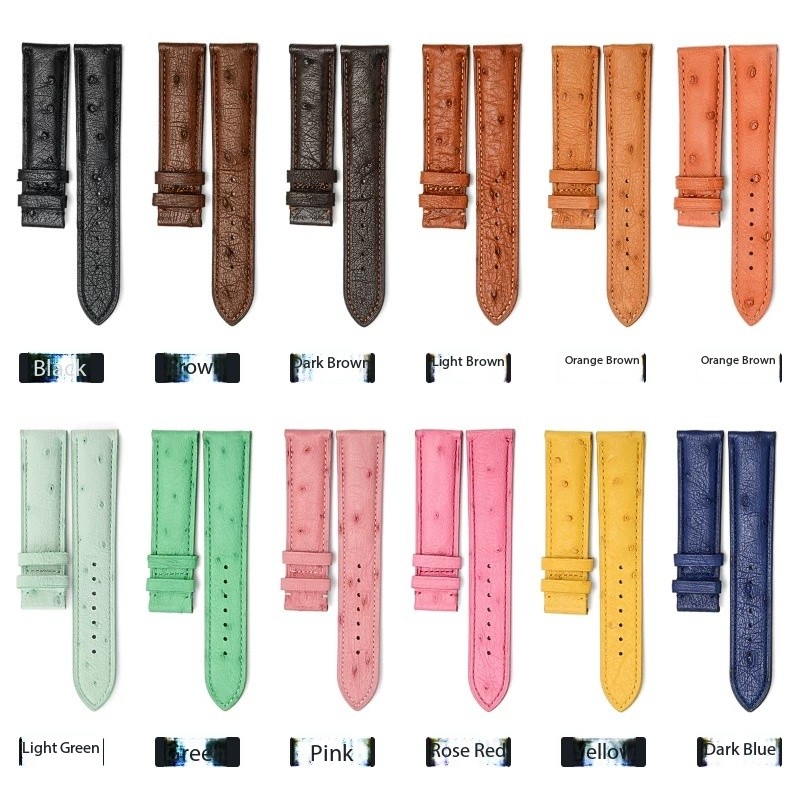
Luxury brands meticulously dye reptile leather to produce deep colors such as:
- Черный
- Dark brown
- Коньяк
- Navy
- Бордо
Step 4: Strap Construction
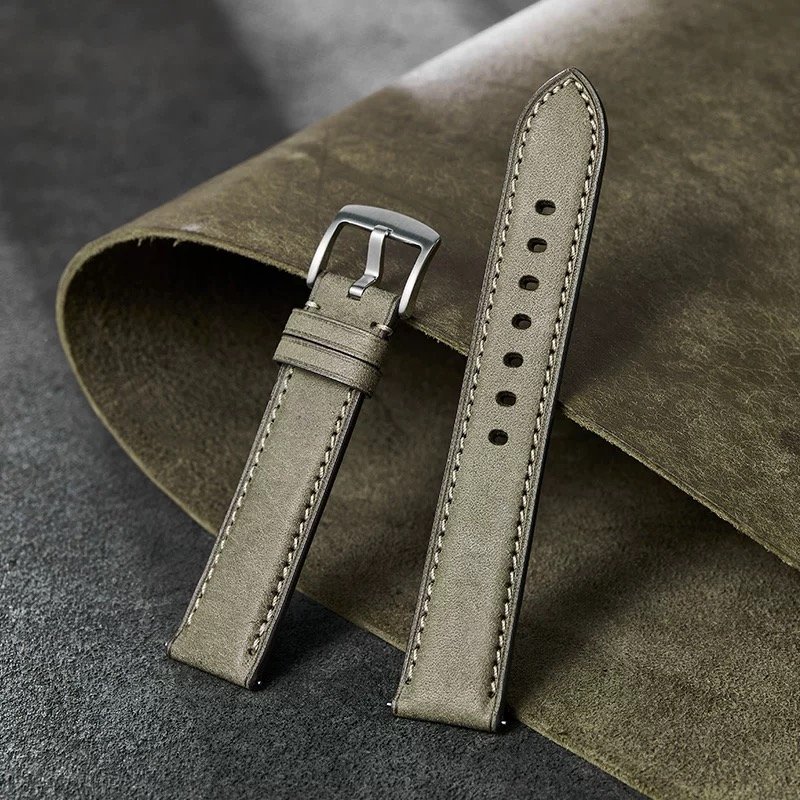
Watch straps are shaped, sewn, strengthened with lining leather, and equipped with buckles or deployment clasps.
Price Differences Between Alligator and Crocodile Leather Watch Bands
One of the most notable differences between the two materials is the market price.
Price Range Comparison
|
Leather Type |
Typical Strap Price | Luxury Brand Range |
| Кожа аллигатора | $150 – $600 |
$500 – $1,200 |
| Nile Crocodile | $200 – $700 |
$600 – $1,500 |
| Saltwater Crocodile | $300 – $1,000 |
$800 – $2,000+ |
Saltwater crocodile leather tends to command the highest price due to its large skin size and premium quality.
Прочность и долговечность
Both materials are highly durable when properly cared for, but their performance characteristics differ slightly.
Alligator leather straps are recognized for their softness and comfort, making them perfect for daily use. Crocodile leather straps, especially saltwater crocodile, tend to be somewhat more durable and less prone to stretching.
Proper maintenance—including avoiding excessive moisture and conditioning the leather—can significantly extend the lifespan of both strap types.
Sustainability and Legal Regulations
Because international wildlife regulations protect reptile species, the trade of alligator and crocodile leather is regulated by the Convention on International Trade in Endangered Species (CITES).
This regulatory framework guarantees that exotic leather used in watch straps originates from legal and sustainable farming operations.
Many luxury brands now prioritize responsible sourcing, emphasizing traceability and ethical farming practices.
Market Applications in Luxury Watchmaking
Alligator and crocodile leather straps are popular in high-end watchmaking because they enhance mechanical dress watches and luxury timepieces.
These straps are especially prevalent in:
- Swiss luxury watches
- Dress watches
- Limited edition timepieces
- Collector watches
The distinctive patterns of reptile leather create a strong visual identity that enhances the perceived value of the watch.
Choosing Between Alligator and Crocodile Leather Watch Bands
Selecting between alligator and crocodile leather watch bands depends on various practical considerations: appearance, comfort, longevity, and cost. Both are premium exotic leathers commonly used in luxury watchmaking, but they possess slightly different features that could affect your decision.
- Appearance and Scale Pattern
The leather’s scale pattern is the most noticeable difference.
Alligator leather usually features a smoother surface with bigger, more uneven square scales, resulting in a natural and somewhat softer visual texture.
Crocodile leather frequently displays more symmetrical and uniform scale patterns, occasionally creating a structured geometric appearance favored by many luxury brands.
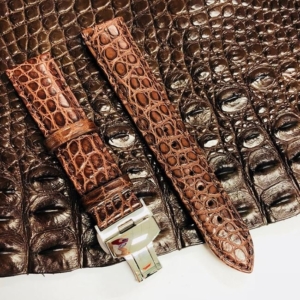
A further characteristic is the small pore dots (sensory organs) found on crocodile scales, which are usually not present on alligator leather.
In practice:
- Choose alligator if you prefer a softer, classic luxury appearance.
- Choose crocodile if you want a more structured and visually distinctive scale pattern.
- Comfort and Wear Experience
Both materials are durable exotic leathers, but they feel different on the wrist.
Alligator straps tend to be softer and more flexible immediately, making them comfortable for daily wear.
Crocodile straps can feel stiffer at first, but gradually mold to the wrist after a break-in period.
For individuals who wear watches throughout the day, alligator leather’s softer texture often offers a somewhat more comfortable feel.
- Durability and Aging
Both materials are recognized for their durability, but their aging characteristics vary slightly.
Crocodile leather features a dense fiber structure that helps it retain its shape and resist creasing over time.
Alligator leather might show wear more quickly in high-flex areas because of its softer texture.
Nevertheless, with proper care—such as avoiding moisture and conditioning it occasionally—either material can last for many years of use.
- Luxury Positioning and Price
Both are regarded as premium materials, but market differences exist.
Alligator leather is frequently seen as the most prestigious exotic leather for watch straps due to its rarity and elegant look.
Crocodile leather is somewhat more accessible and may sometimes be more affordable, depending on the species and tanning method.
Luxury watch brands often choose alligator straps for dress watches, whereas crocodile straps are also popular in luxury accessories.
- When Each Option Makes Sense
Select an Alligator Watch Band if:
- You desire a softer, more comfortable strap.
- You favor a refined, understated luxury appearance.
- The watch is a formal or dress style.
Opt for a Crocodile Watch Band if:
- You want a bold, structured scale pattern
- Long-term shape retention matters
- You prefer a slightly more textured aesthetic
✅ Simple takeaway:
Alligator = softer, classic luxury, smoother look
Crocodile = stronger structure, symmetrical scales, distinctive pattern
FAQ: Alligator vs Crocodile Leather Watch Straps
- Is alligator leather better than crocodile leather?
Neither material is inherently better; they simply offer different qualities. Alligator leather is often softer and more symmetrical in appearance, while crocodile leather can be more rugged and durable depending on the species.
- How can I tell if my watch strap is real alligator leather?
Real alligator leather typically has large rectangular belly scales and a visible umbilical scar. Authentic exotic leather products should also include CITES certification.
- Why are alligator leather watch bands so expensive?
The price reflects the limited supply, regulated farming, complex tanning process, and craftsmanship required to produce high-quality straps.
- Do luxury watch brands prefer alligator or crocodile leather?
Many Swiss watch brands traditionally favor alligator leather straps, particularly for dress watches, due to their elegant scale symmetry.
- How long do exotic leather watch straps last?
With proper care, both alligator and crocodile leather straps can last 5–10 years or longer, depending on wear conditions.
- Can alligator leather watch bands get wet?
It is best to avoid prolonged exposure to water. Although reptile leather is durable, moisture can damage the finish and cause the leather to stiffen over time.
Заключение
Аллигатор и крокодил кожаные ремешки для часов are among the most prestigious materials used in luxury watch accessories. Although both come from reptiles in the same biological order, their visual patterns, structural features, durability, and market positioning vary significantly.
Alligator leather watch bands are known for their smooth, symmetrical scale patterns and exceptional softness, making them a favored option for elegant dress watches. Crocodile leather straps, particularly those crafted from saltwater crocodile, provide outstanding durability and a more unique natural texture that attracts collectors looking for bold luxury aesthetics.
Knowing these differences helps watch enthusiasts, buyers, and industry professionals make better choices when choosing a strap that matches their watch. In the end, whether selecting alligator or crocodile leather, both materials represent the tradition, skill, and exclusivity that characterize luxury watchmaking.