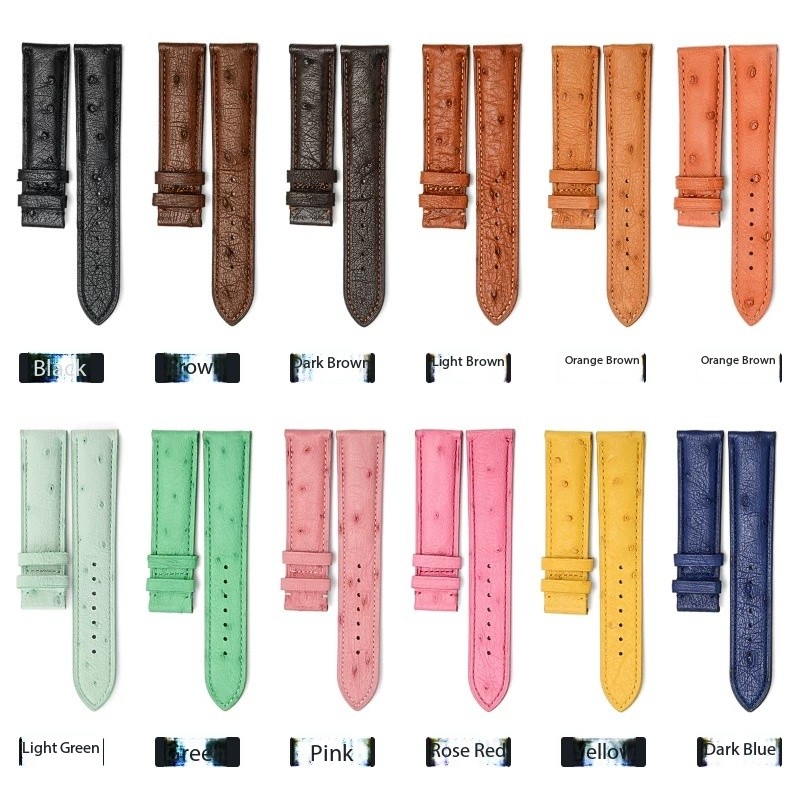
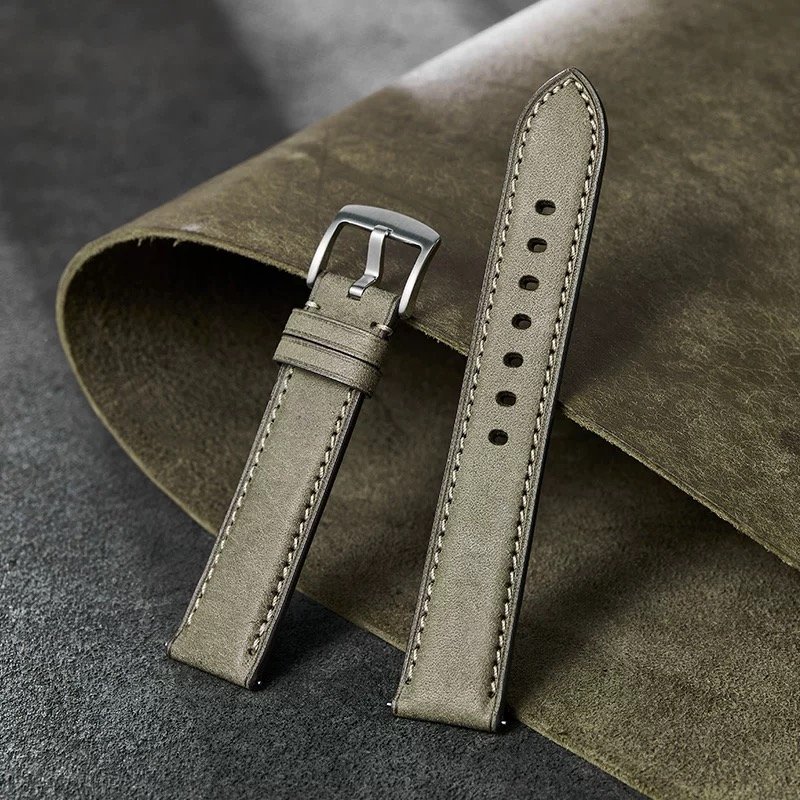
Introduction: Why material choice matters in leather watch bands
Among all leather bands that can be made, the cowhide leather band has the greatest number of orders and is most frequently searched for in the market. Lambskin is other hand, is frequently considered an alternative that provides premium quality or comfort. Top-ranked pages typically discuss the differences at the surface, such as the softness and durability of the material, but they typically fail to associate these characteristics with the long-term performance of the material or the expectations of the user.
This article provides a comprehensive, experientially-based comparison of the lambskin and cowhide leather watch bands for watches. It aggregates the most important information found in leading sources while expanding into more in-depth, application-oriented analysis that is relevant to brands, manufacturers, retailers, and consumers.
Understanding leather types in watch band manufacturing
Leather bands for watches are not composed of a single type of material. They have a wide variety of different structures, depending on the animal’s source, the grain’s composition, the tanning method, the process of finishing, and the thickness. Among the options, lambskin and cowhide are both represented by different material principles.
Lambskin leather is derived from young sheep’s skins. It is valued for its exceptional grain, softness, and smoothness. Cowhide leather watch band is derived from mature cattle and is heavier, more powerful, and more structurally advanced. A cowhide band that is engineered to be durable and long-lasting is typically used with a cowhide leather watch. Conversely, a lambskin band is typically paired with a watch and designed to be comfortable and refined.
These intrinsic properties determine the way each leather interacts with the wrist over time.
What is lambskin leather in watch bands?
Lambskin leather is renowned for its exceptional softness and consistent texture. Because of their smaller hair follicles and thinner skin, the resulting leather is smoother and more pleasing than other animal skins. In bands that watch, lambskin is typically employed to create beautiful, functional pieces or accessories that are intended to be immediately comfortable and have a refined appearance.
From the first use, lambskin is easily integrated into the wrist. It’s simple to start and requires little to no period of rest; this is one of its most frequently referenced benefits. However, this softness is accompanied by sacrifices that are crucial to comprehend, specifically regarding the durability and resistance of the material.
What defines a cowhide leather watch band?
A cowhide leather watch band for a watch is made from cattle hide, which is naturally thicker and more densely populated than sheep’s wool. This concentration has the result of increasing the tensile strength, improving the abrasion resistance, and increasing the structural stability. As a result, cowhide continues to be the most popular leather material in the watch band industry.
Cowhide is typically finished in multiple ways, including full grain, top grain, corrected grain, and split leather. Every final result has an effect on the texture, durability, and behavior during aging, but all of them still have the basic strength properties of cowhide. This versatility makes cowhide leather bands for watches appropriate for both formal and casual wear.
Texture and surface appearance differences
One of the most obvious differences between cowhide and lambskin bands for watches is in the surface composition. Lambskin is typically characterized by a smaller, more even grain that is minimally perceptible through the skin. This produces a smooth, almost silky appearance that attracts users who seek sophistication and minimalism in their design.
Cowhide leather watch bands for leather wristwatches have a more notable grain pattern. Natural pores and variations in grain size are more apparent, particularly in the full-coverage cowhide. Many consumers believe that this texture is indicative of authenticity and toughness. In casual and practical watches, this visual depth is often considered to be beneficial rather than detrimental.
Comfort and wrist feel during daily wear.
Comfort is one of the most powerful advocates of the lamb’s skin in favor of watch bands. Because of its softness and flexibility, lambskin naturally wraps around the wrist without having to be stiff. For those with sensitive skin or who wear long-lasting watches, this immediate relaxation can be highly attractive.
A cowhide leather band that feels firmer at first, especially when it’s thick or has been minimally processed, is called a cowhide leather watch band. However, over time, cowhide will begin to deteriorate and conform to the wrist. Many experienced watch enthusiasts enjoy this process, which leads to a custom fit over time.
Durability and resistance to wear
Durability is the main difference between cowhide and lambskin. The Lamb’s skin’s fine fibers and thin structure make it more susceptible to scratches, folds, and moisture damage. Over time, people will become more familiar with the smell of sweat, friction, and environmental factors, which will lead to visible damage over time.
A cowhide band that is made of leather is more susceptible to these problems. The cowhide’s dense fiber composition promotes superior resistance to stretchiness, tearing, and abrasion on the surface. This causes cowhide to be the most popular choice for everyday observers, sports enthusiasts, and casual observers.
From a long-term perspective, cowhide bands that are made of leather typically have a longer lifespan than other bands.
Aging and patina development
The behavior of aging leather is of great importance to many consumers. Lambskin typically ages gracefully, which results in the development of fine wrinkles and a more flabby appearance over time. However, it typically lacks a dramatic coating. Instead, the signs of wear may appear as the surface being dull or having minor damage.
Cowhide leather bands for watches, especially those that have a full grind, are renowned for their development of richness with utilization. Being around oils, sunlight, and handling the grains enhances the color and improves the definition of the grains. For those who enjoy the unique properties of leather, this aging process is beneficial to cowhide.
Thickness and structural support
Lambskin bands that are designed for use with watches are typically thinner in order to maintain flexibility and comfort. This enhances the beauty of the design, but limits its capacity to accept heavier cases. Larger or heavier watches are prone to stretching or distortion over time.
A cowhide band that is made of leather is more supportive due to its thickness and quantity. This facilitates the larger size of the watch cases, including chronographs and mechanical sports watches. Structural stability is one cause of the continued popularity of cowhide in the middle to high-end watch strap industry.
Breathability and moisture management
Both sheep’s skins and cattle’s hides have a natural tendency to breathe, but their capabilities are different in wet or active environments. Lambskin is more susceptible to moisture, which can lead to faster wear and an odor if not properly cared for.
Cowhide bands that are made of leather typically have a better tendency to manage moisture; this is especially true when they are treated with a protective coating or lined. Despite not being waterproof, cowhide is more effective at dealing with sweat and humidity, which makes it more appropriate for daily use.
Maintenance and care requirements
Lambskin bands for watches are delicate to handle. They enjoy being cleaned with a soft brush, having limited exposure to moisture, and being occasionally conditioned to maintain their softness. Incorrect care can easily result in apparent damage.
Cowhide bands for the leather watch are more accommodating. Constant wiping, occasional conditioning, and basic care are typically necessary to maintain appearance and function. This lower maintenance requirement is frequently mentioned in high-end product manuals as a prominent benefit of cowhide.
Style positioning and use cases
Lambskin leather bands for watches are often considered a form of luxury or fashion accessory. They complement each other well with formalwear, as well as occasions where the aesthetic overcomes the practical concerns of durability.
The cowhide leather bands that serve as wristbands are more versatile. From vintage-inspired styles to modern-day casual and formal wear, cowhide is well-suited to various categories. This versatility is one of the primary reasons why cowhide leather bands have a popular presence in both retail and search results.
Price and value comparison
Lambskin leather is typically more expensive because of the limited supply and delicate processing that is required. However, a higher price does not always lead to a longer service life.
The Cowhide brand’s leather bands for the watch have a more equitable price and performance ratio. Their long durability and widespread availability make them accessible across price ranges, from low to high-end handcrafted belts.
From a financial perspective, cowhide leather bands for watches are often considered a more significant long-term commitment.
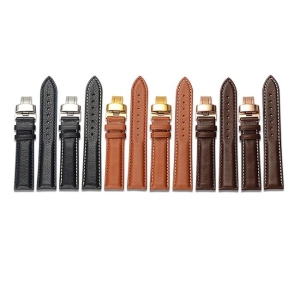
Why do cowhide leather watch bands dominate market demand?
The cowhide leather bands that dominate the demand for watches are characterized by a comfortable, durable design that is also aesthetically pleasing. They are ideal for a variety of consumers and styles of watch.
First, cowhide leather has a long lifespan. The natural fiber composition of the material provides enhanced tensile strength and resistance to daily wear, enabling the design of watch straps to maintain their shape and integrity over the long term. Compared to more flabby leathers, cowhide is less likely to tear or stretch excessively, which is of great importance to products that are for daily wear.
Second, the comfort and breathability have a significant impact. Cowhide leather is well-suited to the wrist; it will become softer over time while still maintaining its support. Its capacity to breathe helps to reduce moisture accumulation, which is important for global markets.
Third, aesthetics that are versatile have a broad appeal. Cowhide is typically finished with a smooth, grainy, distressed, or embossed design, and it also takes well to dyes. This facilitates the offering of a variety of colors and styles, from traditional dress bands to casual ruggedness, which appeals to both high-end and mid-range consumers.
Another important factor is the efficiency of cost and the potential for scalability. Cowhide is common and simple to harvest, but the process of processing it at a larger scale is more difficult, resulting in consistent quality and consistent pricing. This facilitates the attraction of both high-end brands and general-purpose manufacturers.
Ultimately, consumer trust and familiarity increase demand. Cowhide leather is commonly recognized, considered to be dependable, and is embraced across cultures. Buyers perceive it as quality craftsmanship that lacks the ethical, regulatory, or supply concerns associated with exotic leathers.
All of these factors contribute to the continued success of cowhide leather bands that have a watch function; these bands have a combination of attributes that few other materials can match up to.
Conclusion: Which leather watch band is right for you?
What is the distinction between a cowhide leather watch band and a lambskin band for a watch? The distinction is in the way each material balances ease of use, comfort, durability, design, and value over time. Lambskin is immediately soft and offers a beautiful aesthetic, but it requires careful attention and management. A cowhide band that is made of leather provides strength, versatility, and aging properties, which make it appropriate for a variety of different watches and lifestyles.
For the majority of users and applications, cowhide is still the most practical and dependable option. Its supremacy in both the demand for it and the visibility it has in the real world is more indicative of its performance in real-world situations than of its marketing potential. By understanding these discrepancies, consumers can choose a watch band that is appropriate for them.